
May Blues in 2026
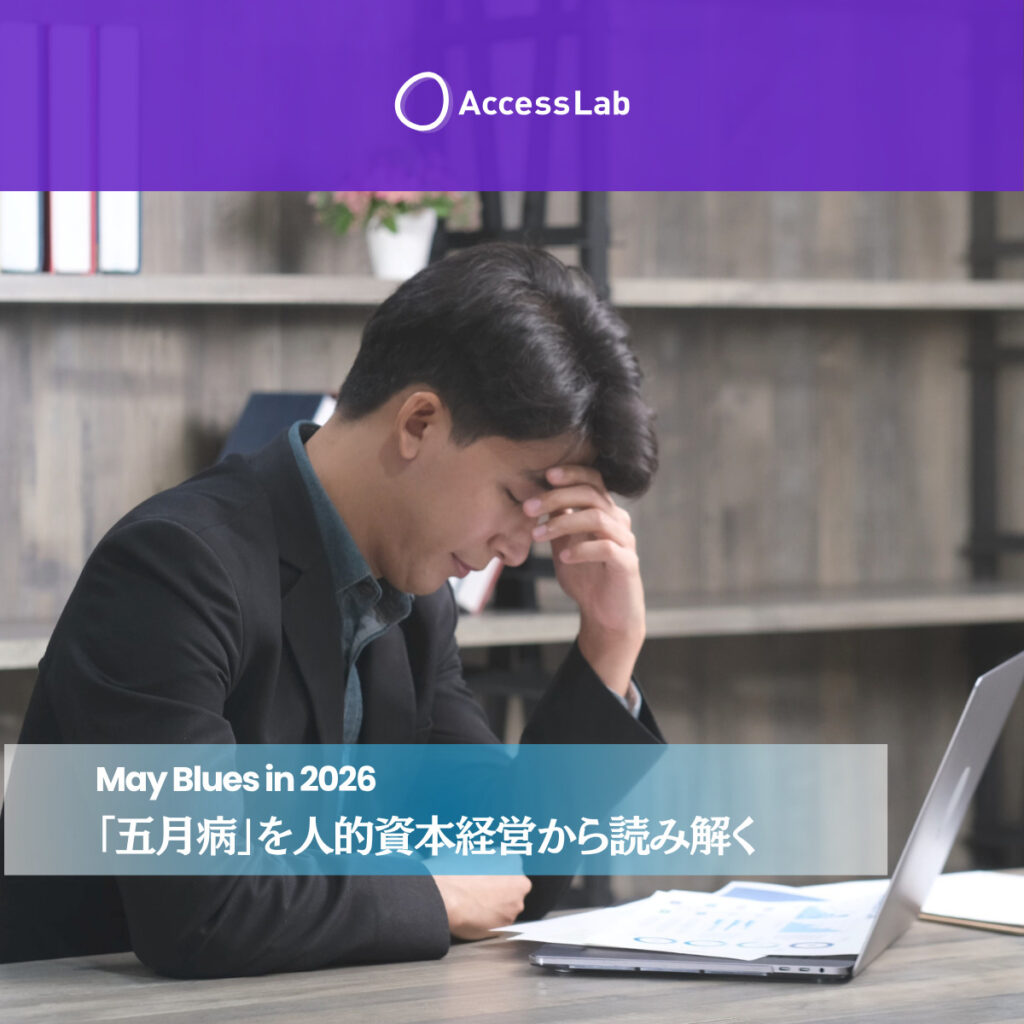
As the intensity of April fades and the Golden Week holidays conclude, many companies in Japan face a unique seasonal challenge: “Gogatsu-byo” (May Blues).
Often dismissed as mere post-holiday lethargy, this phenomenon is deeply intertwined with Japanese organizational culture. Today, it is being redefined as a significant risk factor within Human Capital Management. This month, we explore the structural background of May Blues and the accelerating legal requirements companies must address.
The Anatomy of “Gogatsu-byo”: Why Does It Happen?
Medically, May Blues is often categorized as an adjustment disorder or mild depression. It is triggered when the threads of tension—stretched thin by the massive environmental changes of the new fiscal year in April—finally snap during the long holiday break, forcing employees to confront the gap between their ideals and reality. Several Japan-specific factors amplify this stress:
New Fiscal Year Begins Altogether
Since almost all onboarding for new hires and internal transfers occur simultaneously in April, the “stress density” of the entire organization peaks during this period.
The “Three Years on a Stone” Pressure
The traditional cultural pressure to endure at least three years in a new role to avoid being seen as a quitter often exacerbates mental health issues rather than preventing them.
The Invisible Omen of “Over-adaptation”
In Japan, the discipline of “not bothering others” often leads employees to hide their distress. Foreign managers, in particular, are often baffled: “They were so brilliant in April; what happened?” This is usually the result of invisible over-adaptation surfacing once the holiday breaks the momentum.
Mandatory Stress Checks: Toward Full Implementation by 2028
In response to these risks, Japan’s legal landscape is undergoing a major shift. Following the amendment to the Industrial Safety and Health Act promulgated in May 2025, the requirement to conduct annual Stress Checks has been expanded to include workplaces with fewer than 50 employees.
With full implementation required by fiscal year 2028, leaders—including those at startups and small foreign branch offices—now have a legal obligation to objectively monitor the mental well-being of all members. Treating this as a mere “cultural quirk” is no longer an option; it is a serious compliance risk.
A Prescription for May Blues: Clarity and Transparency
Overcoming the barrier of May Blues requires systemic solutions rather than just “resilience” or spirit. Here are the key elements for building a supportive environment:
Nurturing Psychological Safety
Does a new member have someone to ask about “minor” things? For example, “Who do I ask for system access?” or “Is it okay to eat lunch at my desk?” Ensure every new member has a dedicated buddy or mentor.
Defining Roles Explicitly
The Japanese expectation to “read the air” (Kuuki wo yomu) is a primary stressor for newcomers. Using a shared platform to visualize tasks and responsibilities is the most effective way to prevent adjustment disorders.
Monitoring “Silent Signs”
In hybrid work environments, distress often goes unnoticed. Establish regular 1-on-1s and consistent communication channels to catch issues before they become crises.
💡Column: Your Mental Health Partner — The Occupational Physician
The Occupational Physician (Sangyoi) is a powerful partner for management and HR. They provide more than just medical diagnoses; they offer:
Early Intervention
Providing interviews for high-stress employees to encourage adjustments before burnout occurs.
Cultural/Value Mediation
Bridging the gap in expectations regarding work styles and stress tolerance between foreign leaders and Japanese staff.
Return-to-Work (Rework) Support
Facilitating a smooth transition for employees returning from leave.
In Japan, businesses with 50 or more employees are legally required to appoint an Occupational Physician. We recommend reviewing your current system to ensure you are fully leveraging this expertise.
Conclusion: Strengthening Organizational “Resilience” through Collaboration
Noticing and supporting changes in every individual is a vital trait for any leader driving Human Capital Management today.
At Access Lab, we help companies implement monday.com, a platform that eliminates information silos and fosters collaboration. By visualizing progress and workloads across complex projects, you can ensure smooth collaboration among diverse, remote teams. Let’s transform the challenge of May Blues into an opportunity to build deeper trust and a resilient foundation for your organization.
For inquiries regarding legal compliance or digital tools to support your management, feel free to reach out. 👇
🌐 Official Website:accesslab.co.jp
📺 YouTube Channel:@re-skilling
Resources
健康経営の推進(経済産業省)